2 November 2026
Charity Shops, Vape Shops and the Rent Between Them
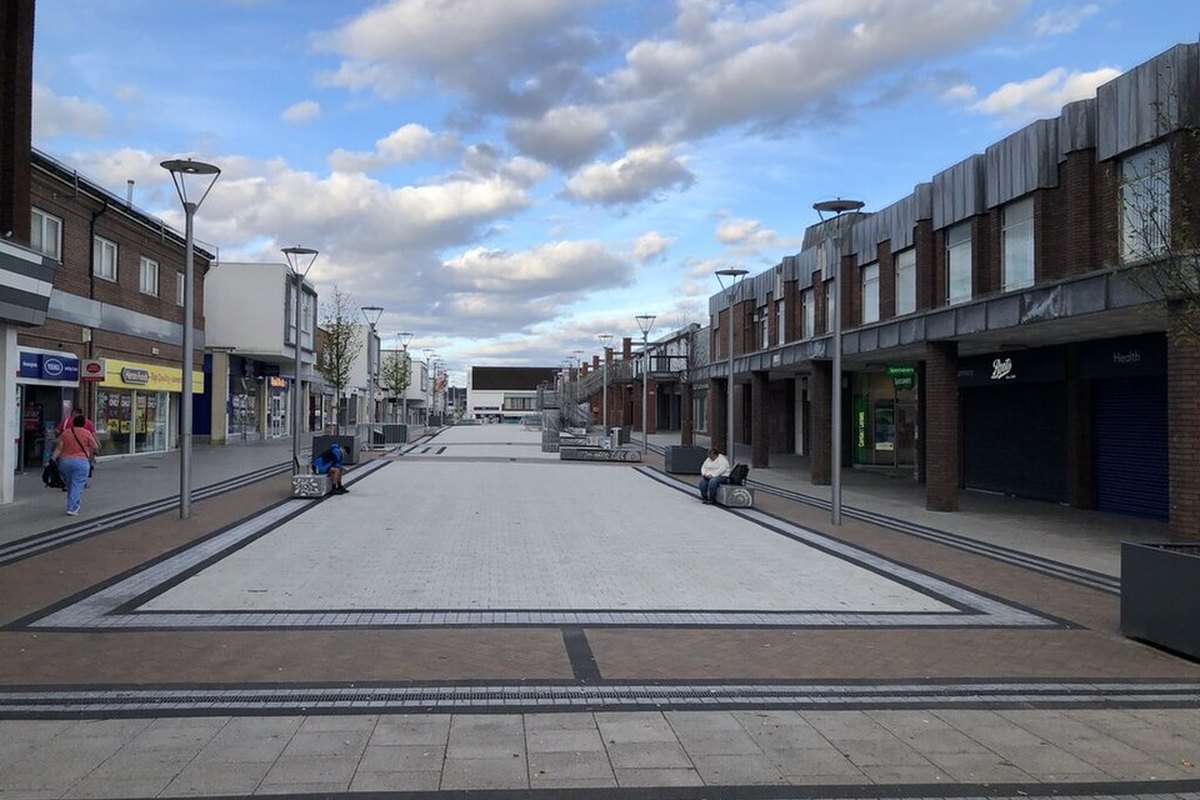
Charity shops and vape shops often get put in the same sentence, usually as evidence that a high street has gone downhill. I understand what people are noticing: repetition, fewer places to buy ordinary things, perhaps the disappearance of a shop they valued. Those losses can be real. But the signs above the windows tell us who is trading, not quite why they are there. For that, I want to know something about the terms behind the doors.
A charity shop does not operate on the same basis as a conventional retailer. Donated stock, volunteer labour and charitable business rates relief can change the calculation substantially, although none removes the need for competent management or cash. There may be paid staff, collection costs, sorting space and waste disposal to fund. Relief depends on qualifying occupation and use. I would not read the presence of a charity shop as proof that the premises have ceased to command a commercial rent.
Nor would I assume that a vape shop can afford any rent because its stock is small and its frontage looks inexpensive. A compact unit can suit the business, but sales, gross margins, staffing, security and compliance still have to carry the occupancy costs. Product rules and age restrictions matter to both its operation and its risk. Without accounts or lease terms, confident claims about its profitability are mostly guesses. A shop sign is not a balance sheet.
The rent is only part of the bargain
When acting for an occupier, I am interested in the whole commitment. A stated annual rent may sit alongside a rent-free period, a landlord's contribution to works or a break option that limits the tenant's exposure. Another occupier may pay less rent but carry an expensive repairing obligation. Service charges and insurance add further costs. Two neighbouring shops can therefore look much alike from the pavement while representing very different financial bargains for the people running them.
The condition of the premises matters here. A tenant taking an older shop on a full repairing lease may inherit responsibility for putting parts of it into repair, not merely keeping them as found, depending on the wording. A properly incorporated schedule of condition can limit that exposure, but simply taking photographs does not do the job. A low rent can be poor compensation for uncertain liabilities. The businesses able or willing to accept those terms help shape the eventual mix.
There is also a time lag which we tend to forget. Today's parade contains decisions made at different moments, under different expectations. One tenant may be approaching a break; another may have recently committed to a longer term. An older rent may be out of step with current letting evidence, and a conventional upward-only review will not ordinarily correct that downwards. What looks like a clear verdict on the street can actually be several years of bargains sitting beside one another.
What the mix can tell us
None of this means the tenant mix tells us nothing. Repeated occupation by businesses with similar space requirements or cost advantages can suggest that the premises, rents and available demand are narrowing the field. That is worth examining. But I would distinguish a shortage of viable applicants from a landlord choosing the strongest covenant among several offers. I would also ask whether the units are simply too small, too deep or too costly to adapt for the uses people say they miss.
I still think a street loses something when its offer becomes narrow, even if every individual letting makes financial sense. People are entitled to miss variety without being accused of misunderstanding property economics. Equally, the staff and customers of the remaining shops deserve better than to be treated as evidence of failure. My judgement starts with what the mix allows people to do, then with the costs and obligations that produced it. Counting charity shops and vape shops alone gets me only so far.
Need advice on a lease renewal, rent review or dilapidations claim? chris@mcgarrigle.com