29 November 2026
The Parcels Taking Up Space Behind the Counter
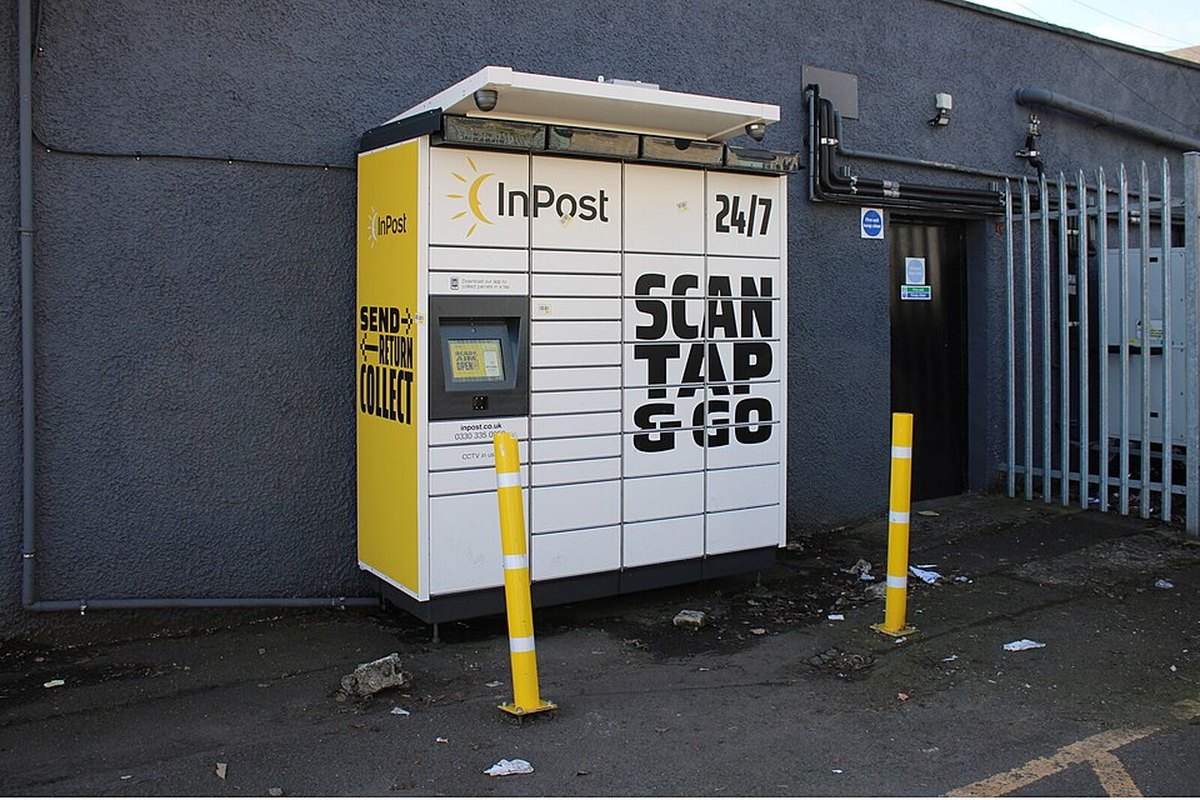
On this last Sunday in November, I am thinking about the space behind the shop counter. Not the display, but the shelves of bags with names on them, the returned coats awaiting inspection and the parcels whose owners have not arrived. Click and collect sounds almost weightless. Inside a shop, it requires somewhere to put things and someone who knows where they are.
There is genuine convenience here. A customer can collect an order without waiting at home for a delivery, try it on and return it across the same counter. For someone buying between shifts, that can make a real difference. The retailer may save some delivery costs and gain another purchase. But neither saving nor extra sale is automatic. A collection can be just a collection, completed by a paid member of staff.
I find it harder now to read a queue as evidence of a shop trading well. Three people may be collecting purchases already recorded elsewhere in the business. Another may be returning goods bought online. The assistant is busy throughout, but the till may show little income or a succession of refunds. That does not make the work unproductive. It makes the shop’s contribution harder to see in a simple branch sales figure.
The physical cost is easier to see. Storage takes space that might otherwise hold stock for sale. A fitting room can become an overflow cupboard; a narrow passage can acquire a cage that should not be there. Larger collections need lifting and carrying. Returns need checking, sorting and securing before they can be sold again or sent away. These are ordinary tasks, but they compete with serving the person who has come in to browse.
The lease still charges for the whole shop
The rent does not normally fall because a larger share of the premises is occupied by parcels rather than merchandise. At review or renewal, the lease terms and rental evidence matter, subject to the applicable process. The retailer’s internal allocation of online revenue does not, by itself, reset the rent. I would nevertheless want to understand that allocation before treating weak branch sales as proof that the premises no longer earn their keep.
Turnover rents make the distinction more immediate. Whether an online order collected in store counts towards turnover depends on the wording, as does the treatment of goods returned there. A poorly drawn definition can leave either party arguing over sales the shop helped fulfil but did not originate. Even under a fixed rent, the same question matters inside the retailer: which part of the business receives the income, and which carries the staff and space costs?
There are lease costs beyond rent. More handling can mean more wear to floors, doors and counters, with liability depending on the repairing covenant and any agreed limits. New shelving or a collection hatch may require consent; alterations may also bring reinstatement obligations at the end. Courier access has to fit the rights actually granted and any servicing rules. A shop can absorb some logistics work quietly. Beyond a point, its layout and lease need closer examination.
I do not regard this as the shop becoming less of a shop. Receiving something, checking it fits and handing it back have always belonged to retail. What has changed is where the order begins and how much movement sits behind that brief encounter at the counter. A well-run collection service can make a branch useful enough to retain. I would be wary, though, of celebrating that usefulness while leaving its costs on a branch account that receives too little of the credit.
Need advice on a lease renewal, rent review or dilapidations claim? chris@mcgarrigle.com