20 September 2026
The Difference Between Repairing a Roof and Waiting
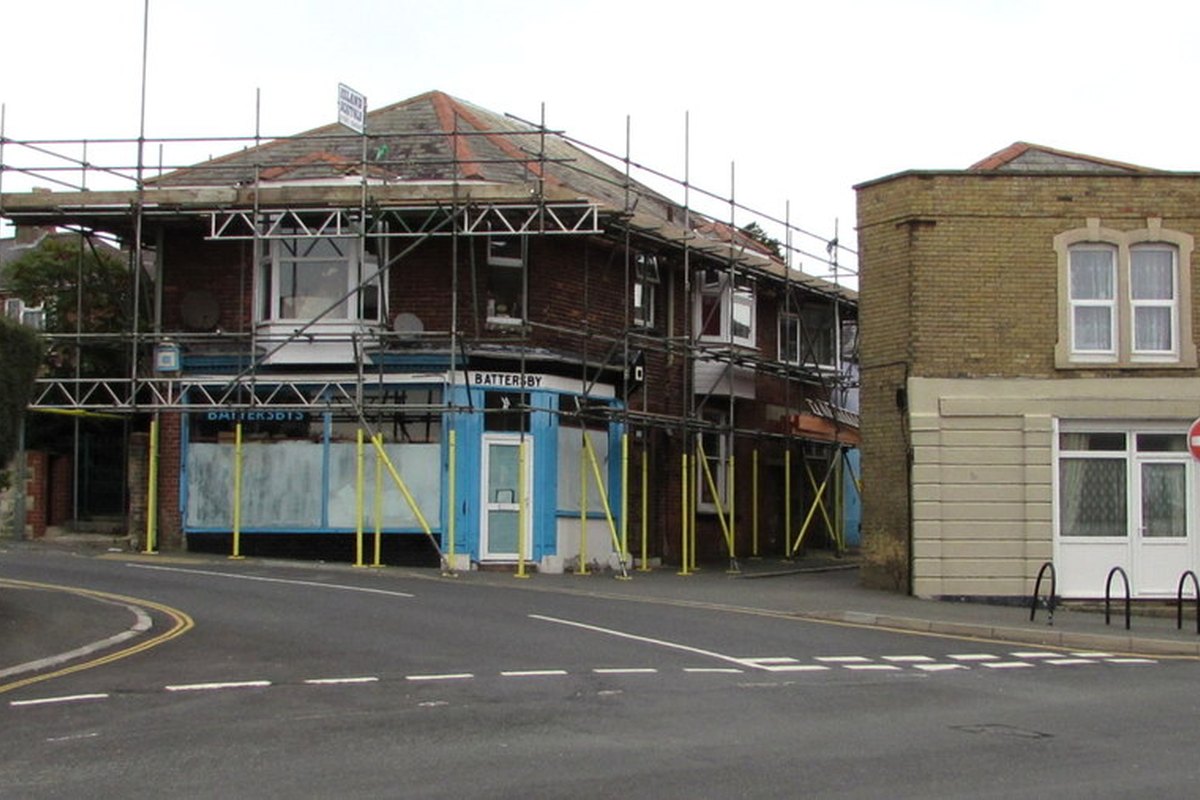
At this point in September, I tend to think about gutters. Not the most stirring subject for a reflection on the high street, but a useful test of how a building is being managed. There are owners who arrange an inspection before leaves collect and owners who wait for a report of water coming through. From the pavement, their shops may look much the same. Inside, the difference can mean moving stock, closing a fitting room or putting another bucket beside the till.
I have spent much of my working life acting for occupiers, so my sympathies are not difficult to locate. Even so, I would not divide landlords neatly into the responsible and the idle. Some have money available; some have borrowing costs that leave little room for work. Some own the whole building and can make a decision. Others are caught between a superior landlord, neighbouring owners and obligations that do not line up conveniently. Delay has causes. It also has consequences.
First establish whose roof it is
Before praising or blaming an owner, I want to read the lease. In a letting of a whole building, the tenant may carry a substantial repairing obligation, including the roof. In a divided building, the landlord may arrange structural repairs and recover permitted costs through a service charge. A schedule of condition may limit what the occupier must put right. The name on the freehold title does not, by itself, tell us who must organise the work or ultimately pay.
That distinction matters when an owner describes expenditure as investment. Replacing failed equipment and then recovering the bill from occupiers may be necessary and properly authorised by the leases. It is not necessarily a contribution from the landlord’s own pocket. I would ask what was spent, what problem it solved and where the cost landed. A retailer can welcome a dry stockroom and still struggle with the charge for providing it. Both responses can be reasonable.
The investment I value most often happens before anything fails. It might be replacing a troublesome section of roof during a planned closure, or coordinating electrical work so that three separate visits become one. There is judgement involved: replacing serviceable components too early wastes money as surely as leaving failed ones too long. But planning allows an occupier to arrange deliveries, protect stock and tell staff what is happening. An emergency usually removes those choices, without removing the bill.
Waiting has a cost on both sides
Waiting can be a defensible decision. A major scheme may depend on consent, or on understanding whether a repair will last long enough to justify its cost. I am wary of demanding expenditure simply because a landlord appears to own a valuable asset. Yet a decision to defer work should have a reason, a timescale and some provision for the meantime. Repeated patching without an end date can leave the shop manager supervising a building problem that they have neither the authority nor the budget to solve.
For the occupier, the loss is not confined to damaged goods. Someone has to meet the contractor, clear the affected area and rearrange the working day. Those hours come out of a business whose wages and other bills still need paying. For the owner, poor maintenance can mean more expensive repairs later and a tenant less willing to stay. None of that proves that every proposed improvement will pay for itself. It does show why comparing only the immediate building invoices gives an incomplete picture.
Nor does expenditure automatically justify a higher rent. Rent depends on the lease, the premises and the relevant market evidence, not simply on what an owner has spent. Keeping a building in serviceable condition may preserve an income rather than increase it. That can be a perfectly sound result. When I discuss property investment with students, I want room for this less conspicuous achievement: money spent so that an existing shop can continue doing its ordinary work, without another interruption from above.
I find myself judging owners less by the scale of their announced plans than by how they handle a reported defect. Is somebody instructed? Does the occupier know when access will be needed? If work is deferred, is there an explanation rather than silence? A landlord cannot remove every difficulty from running a shop, and the tenant must meet its own obligations too. But heading into autumn, a confirmed repair date is worth rather more to the person opening up each morning than another assurance that the matter is being considered.
Need advice on a lease renewal, rent review or dilapidations claim? chris@mcgarrigle.com