12 November 2026
The Collection Promise Needs Room Behind the Counter
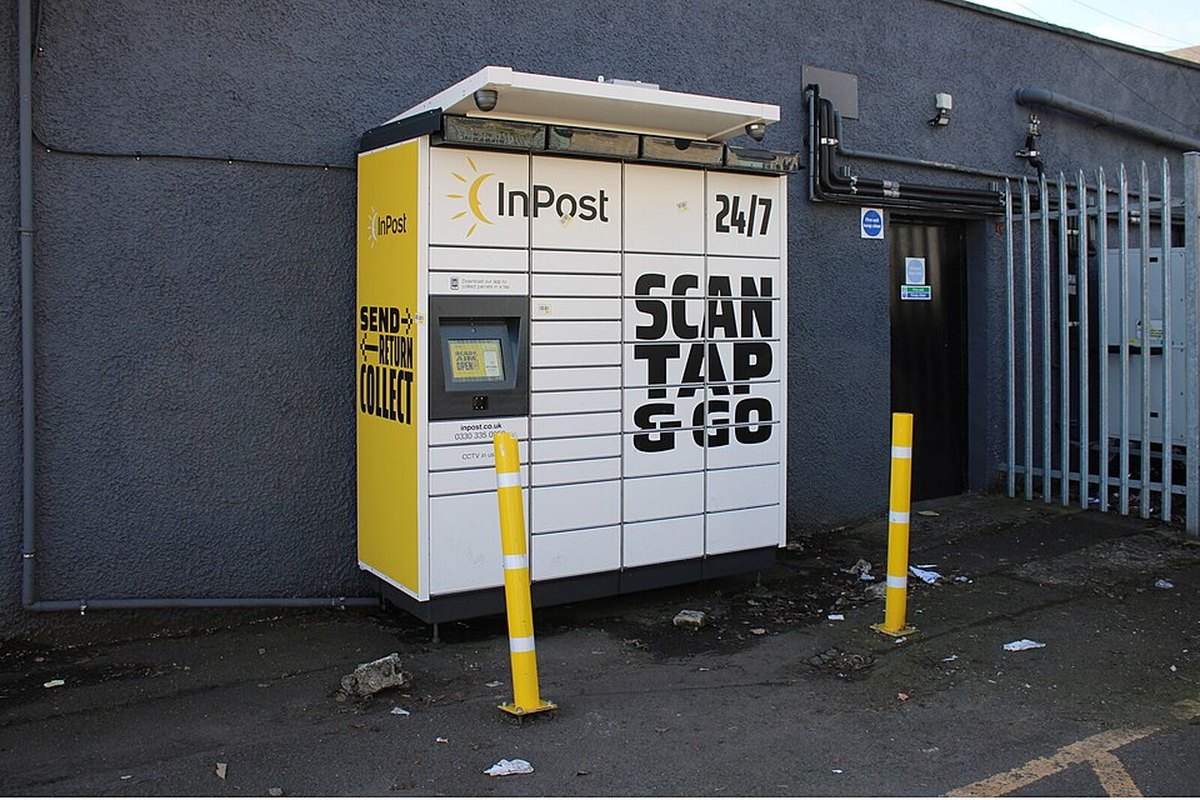
By the middle of November, the promise that an order will be ready for collection starts to carry a particular weight. The customer sees a delivery option on a screen. I find myself thinking about the shelf where that order will wait, the person who will locate it and the route between the stockroom and the counter. A collection takes only a few minutes when everything works. Making those minutes possible can occupy space for days.
That waiting time interests me more than the familiar argument about whether collecting a parcel leads to another purchase. Sometimes it does; sometimes the customer wants only to get home. Either way, the parcel needs a secure place until it leaves. An uncollected order can remain there while another delivery arrives. Returns create a different queue: goods awaiting inspection, a decision on resale or transport elsewhere. These are not quite stock in the old sense, but they still need somewhere to go.
Space occupied by a promise
A shop can have enough floor area and still be badly suited to this work. Basement storage looks useful on a plan, less so when every collection requires a trip down a narrow stair. Space upstairs may be cheap in rental terms but expensive in staff time. Moving collection storage beside the entrance shortens the journey, yet takes space from display or circulation. I would want to understand those movements before deciding that an apparently generous stockroom solves the problem.
There is also a difference between being able to receive deliveries and being able to receive them when the operation needs them. A lease may grant rights over a shared service yard, subject to hours or estate regulations. More frequent collections of returned goods can expose limits that scarcely mattered to the previous trading pattern. A rear door is not, by itself, a right to leave cages outside it, reserve a loading space or expect unrestricted vehicle access.
The economics need the same attention. For an occupier, shop fulfilment may avoid some delivery costs and help retain a sale. Against that sit picking time, customer queries, storage and handling returns. The sale may be credited internally to an online channel while the shop carries much of the labour. That allocation matters when a business judges which branches are viable. A weak-looking shop account is not necessarily evidence of an unproductive building; it may be an incomplete account of its work.
What the lease actually measures
Where rent includes a turnover element, attribution becomes a contractual question as well as a management one. The agreed definition needs to address online orders collected at the premises and the treatment of refunds, including returns of purchases made elsewhere. There is no safe assumption that all money passing through a shop belongs in its turnover, or that all online sales sit outside it. I would read the wording before relying on either description of the business.
With a conventional rent review, more parcels do not automatically mean more rental value. The review provisions, valuation assumptions and comparable evidence still matter. A useful service entrance or accessible storage may make premises more attractive to some occupiers, but operational usefulness is not a simple surcharge. Nor does an occupier’s increased handling cost automatically reduce the rent. The difficulty is that these costs can become significant during a lease whose rent machinery offers little immediate response.
Physical changes leave another account to settle. Secure cages, counters, shelving and altered access arrangements may require consent, depending on the lease and the works. At the end of the term, removal and reinstatement obligations need checking rather than guessing. Repair is separate: repeated trolley movements and heavier use can damage floors and doors, with liability depending on the covenant and any qualifications. A modest collection operation can leave a surprisingly tangible trace once its fittings and parcels have gone.
I do not see this as a lesser use of a shop simply because the purchase began elsewhere. Being able to collect something locally, or return it without arranging a day at home, has ordinary practical value. But the convenience is produced by people, space and access, not by the collection button. As the busier weeks approach, I am less interested in counting parcels across the counter than in whether the premises give the staff enough room to keep the promise.
Need advice on a lease renewal, rent review or dilapidations claim? chris@mcgarrigle.com