28 October 2026
Council Money Should Be Allowed to Change Its Mind
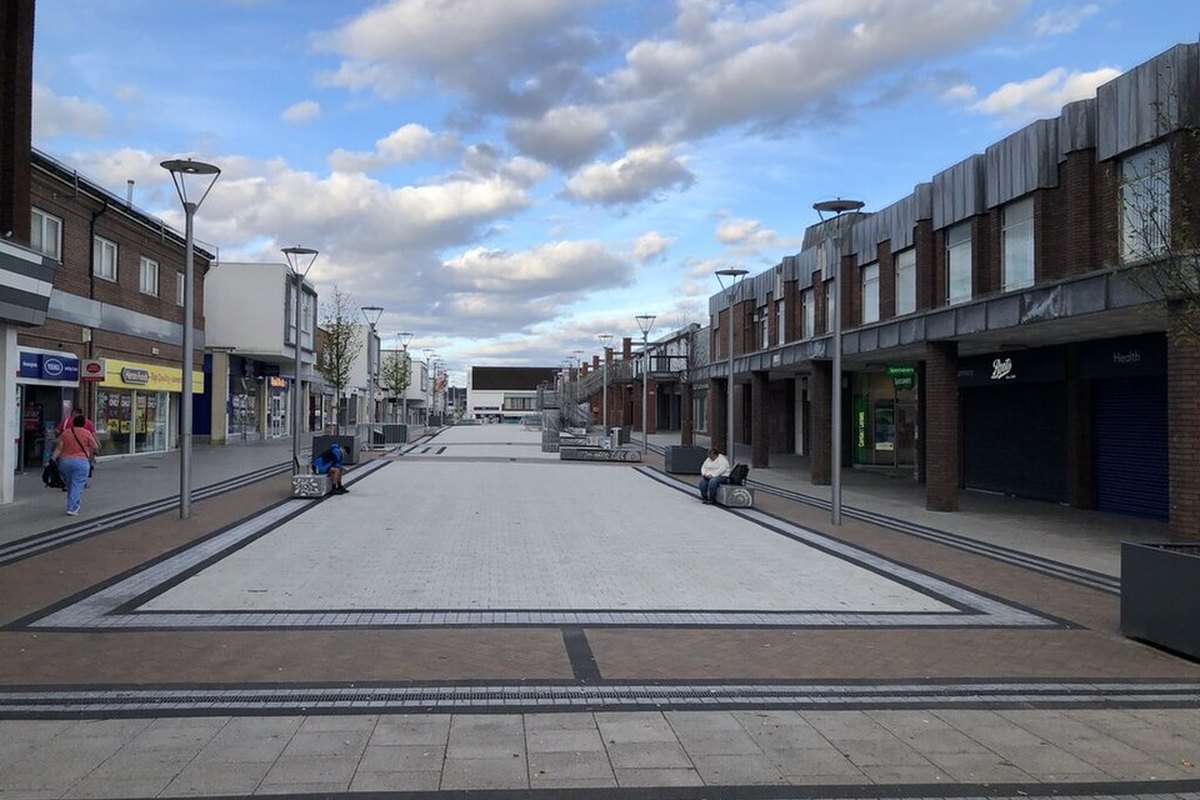
By late October, a drawing of a sunny new square deserves a second look. I want to know where the rain goes, who will clear the leaves and whether the remaining shops can trade while it is built. Council regeneration money can do considerable good. It can also buy something handsome that solves the wrong problem. The difficult category is the well-meant scheme which made sense when it was approved, but no longer quite fits the street.
I have spent much of my working life looking at premises from the occupier’s side of the lease. That makes me interested in fairly ordinary things: whether customers can reach the door, whether deliveries are workable, and whether the weekly takings cover the commitments. A council cannot make every business viable, nor should it try. But it can remove obstacles that no individual shopkeeper has the money, land ownership or authority to deal with alone.
What public money can properly do
There is a good case for spending on a crossing that connects homes to shops, or drainage that stops water collecting outside a row of entrances. These are shared problems. The benefit is not confined to whichever tenant happens to be there on completion day. I am less persuaded by elaborate street furniture where a simpler repair would do. A seat is useful if somebody wants to sit there. Its place in a coordinated design is not, by itself, a reason to buy it.
The boundary becomes harder when public money goes into privately owned premises. An improvement grant may make an otherwise unviable conversion possible. It may also pay for work that an owner or tenant was already obliged to undertake. Before awarding it, I would want the lease read alongside the building survey. Who has the repairing obligation? Is the proposed work repair or improvement? Does it need consent? The answer matters more than which party submitted the most attractive application.
I would also want to understand who keeps the benefit. Publicly funded work does not automatically produce a rent increase; the lease terms, review provisions and market evidence matter. But improving a property can strengthen its owner’s position at a later letting or negotiation. That is not necessarily an argument against assistance. It is an argument for considering proportionate owner contributions, conditions and repayment provisions, rather than assuming that money paid towards a shop necessarily stays with the business trading inside it.
The permission to stop
The waste I worry about most is not always extravagance. Sometimes it is persistence. A scheme is designed around several occupied units; by the time it reaches procurement, the trading pattern has changed. Yet the original layout survives because changing it would mean revisiting approvals, funding conditions and public promises. I understand that pressure. Officers cannot simply move restricted capital funding into whichever service now needs it. Still, completing an outdated scheme is not made sensible by the difficulty of amending it.
Well-meant spending often tries to spread a little benefit everywhere. Every frontage gets an offer, every section of the street gets a feature. There is a fairness to that which I do not dismiss. But equal treatment of buildings is not always useful treatment of a place. One awkward crossing might be the greater obstacle. One block with fragmented ownership might need patient negotiation before any building work. The necessary work can be slow and largely invisible.
A sound appraisal should include the cost of disruption as well as the finished result. Contractors need space, barriers alter walking routes, and a business with a narrow margin cannot recover lost turnover simply because the pavement is better afterwards. Rent and wages usually remain payable while access is awkward. Phasing, delivery arrangements and clear information are therefore part of the investment, not courtesies added once the contract has been let. A cheaper construction programme can impose a dearer trading cost.
I would judge council regeneration money partly by what it enables people to do, and partly by what the council is prepared to reconsider. That means keeping a record of the original problem, checking whether it still exists, and accepting that a smaller scheme may now be the better one. There should be room to say that a proposal was reasonable then and is wrong now. Changing it before the money is spent is responsible, even if the revised drawing looks less impressive.
Need advice on a lease renewal, rent review or dilapidations claim? chris@mcgarrigle.com